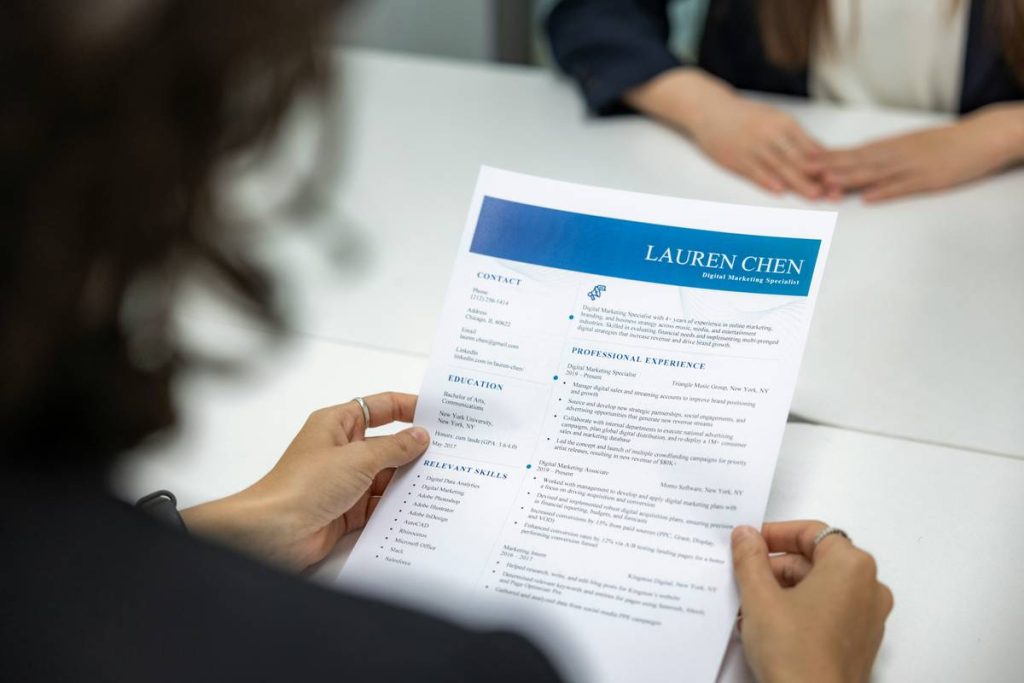
Ever walked out of a job interview feeling like you just handed the hiring manager a lukewarm cup of “meh” instead of a piping-hot shot of confidence? You’re not alone. A 2023 LinkedIn survey revealed that 68% of professionals feel unprepared for interviews—even after years in their field. Ouch.
If you’ve rehearsed answers in the shower, Googled “how to stop saying ‘um’” at 2 a.m., or accidentally called your interviewer “mom” (true story from a client of mine—more on that later), this post is for you.
We’re cutting through the fluff on job interview coaching services: what they actually do, who benefits most, how to choose a legit provider (spoiler: not everyone with a LinkedIn badge is qualified), and real proof they work. You’ll also get actionable frameworks, red flags to avoid, and a brutally honest look at what *doesn’t* move the needle.
Table of Contents
- Why So Many Interviews End in Ghosting (Even When You’re Qualified)
- How Professional Job Interview Coaching Actually Works
- 5 Best Practices That Separate Good Coaches From Gurus Selling PDFs
- Real Results: From Rejected to Offer Letter in 21 Days
- FAQs About Job Interview Coaching Services
Key Takeaways
- Job interview coaching isn’t just for new grads—it’s critical for mid-career pivots, executive roles, and high-stakes tech/finance interviews.
- The best services combine behavioral psychology, industry-specific frameworks (like STAR or SOAR), and real-time mock drills—not generic scripts.
- Look for coaches with verifiable track records: client testimonials, placement rates, and certifications from bodies like ICF or NACE.
- Avoid “one-size-fits-all” packages; personalized feedback on verbal/nonverbal cues makes or breaks performance.
- Post-coaching support (e.g., offer negotiation guidance) significantly boosts ROI—don’t skip this.
Why So Many Interviews End in Ghosting (Even When You’re Qualified)
Let’s be real: landing interviews isn’t the hard part anymore. With AI-powered applicant tracking systems (ATS), your resume might get scanned in 7 seconds (per Ladders’ eye-tracking study). But once you’re in the room—or Zoom box—that’s where most candidates implode.
I once coached a senior data scientist who aced technical tests but froze when asked, “Tell me about yourself.” Why? He’d rehearsed bullet points, not stories. His voice cracked. He crossed his arms. He looked like he’d rather debug Python than make human contact. Sound familiar?
The truth? Hiring decisions are 70% emotional (Harvard Business Review, 2022). Competence gets you in the door; connection seals the deal. Yet most DIY prep misses this entirely—focusing on answers, not delivery, presence, or alignment with company culture.
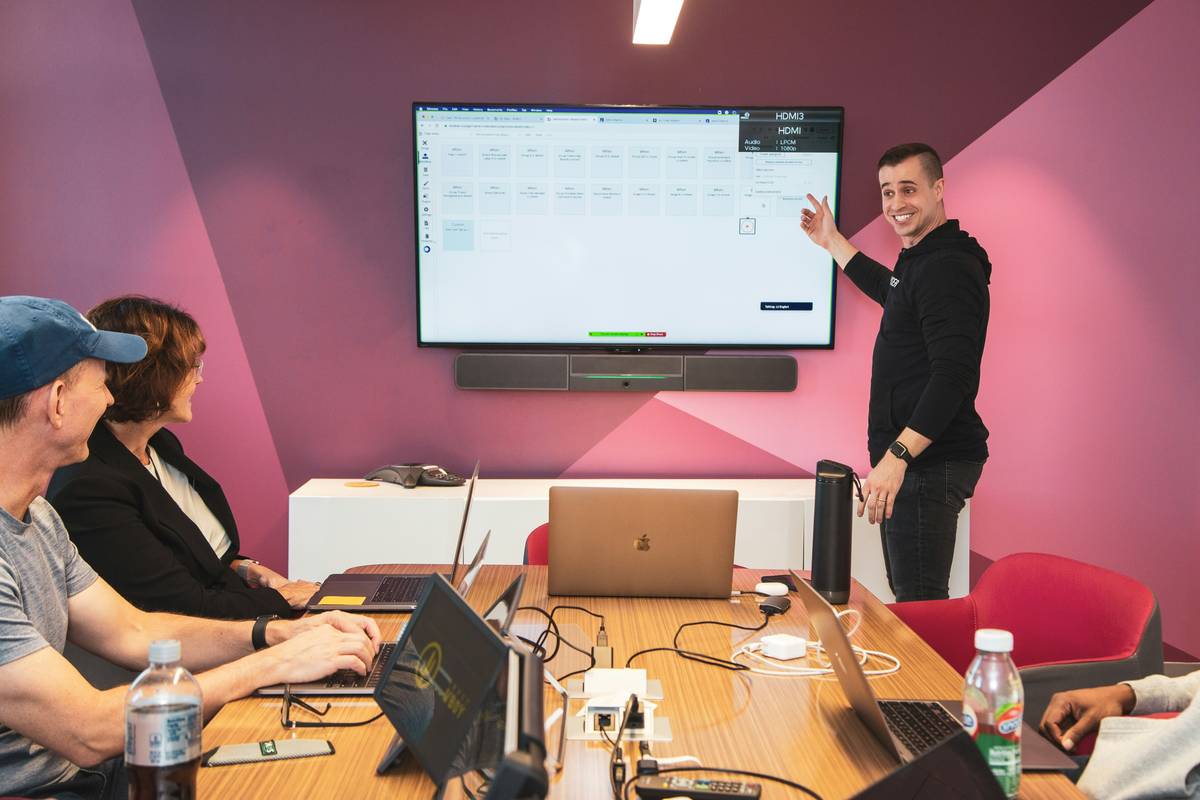
Notice that gap? It’s not luck. It’s strategy.
How Professional Job Interview Coaching Actually Works
Forget vague advice like “be confident.” Real job interview coaching services dig into your unique profile, target roles, and psychological blockers. Here’s how it typically unfolds:
Step 1: Deep-Dive Diagnostic
Your coach reviews your resume, LinkedIn, target job descriptions, and past interview feedback (if any). They identify gaps between your narrative and employer expectations.
Step 2: Custom Story Architecture
Using frameworks like STAR (Situation, Task, Action, Result) or SOAR (Situation, Obstacle, Action, Result), you craft compelling, concise stories that showcase impact—not just duties.
Step 3: High-Stakes Mock Interviews
No role-play with your cat. Real sessions simulate pressure: tough follow-ups (“What’s your biggest failure?”), curveballs (“Sell me this pen”), and even panel dynamics.
Step 4: Nonverbal & Delivery Polish
Eye contact, pacing, vocal tone, posture—even Zoom lighting and background matter. Coaches often record sessions so you can see what recruiters see.
Step 5: Post-Interview Strategy
How to send thank-yous that stand out, handle salary questions, and negotiate offers without burning bridges.
5 Best Practices That Separate Good Coaches From Gurus Selling PDFs
- Certifications ≠ Competence—But They Help: Look for coaches certified by the International Coaching Federation (ICF) or affiliated with NACE (National Association of Colleges and Employers). Bonus if they’ve worked as actual hiring managers.
- Industry-Specific Knowledge Is Non-Negotiable: A coach who’s prepped FAANG engineers shouldn’t guide nonprofit grant writers without research. Ask: “Have you coached someone in my exact role?”
- Feedback Must Be Specific: “You seemed nervous” is useless. “You interrupted twice during Q2—try pausing 2 seconds before responding” is gold.
- Beware of Script Sellers: If they hand you canned answers, run. Authenticity beats perfection. Google’s People Operations team confirmed they prioritize “genuine problem-solvers” over polished performers.
- Post-Session Resources Matter: The best services include cheat sheets, email templates, and access to alumni networks for ongoing support.
The Terrible Tip Everyone Swears By (But Shouldn’t)
“Just memorize 10 answers and you’ll be fine.” Nope. Hiring managers spot rote recitation instantly. It kills rapport and makes you sound robotic. Flexibility > memorization. Always.
Rant Time: My Pet Peeve
Coaches who promise “guaranteed job offers.” Job placement depends on market conditions, company budgets, and timing—not just your interview skills. Anyone guaranteeing outcomes is either naive or selling snake oil. Period.
Real Results: From Rejected to Offer Letter in 21 Days
Last year, “Maria” (name changed), a 12-year HR professional, was rejected from six leadership roles despite stellar credentials. Her issue? She defaulted to HR jargon (“synergy,” “bandwidth,” “circle back”) and couldn’t pivot stories to business impact.
In three 90-minute sessions with a specialized job interview coaching service:
- We rewrote her narratives using revenue and retention metrics (not just “managed teams”).
- She practiced answering “Why leave your current role?” without sounding bitter.
- We optimized her virtual presence: lighting, camera angle, even her Zoom background plant arrangement (yes, really).
Result? She landed two offers within three weeks—one with a 22% salary bump. She later told me: “I finally felt like myself… just sharper.”

FAQs About Job Interview Coaching Services
How much do job interview coaching services cost?
Prices range from $150–$500/hour depending on specialization. Executive coaches may charge $1,000+. Beware ultra-cheap options—they often lack customization. Many offer free discovery calls to assess fit.
Are online coaching sessions as effective as in-person?
Yes—if the platform supports recording, screen sharing, and real-time feedback. Most interviews are virtual now anyway, so practicing on Zoom mirrors reality.
How many sessions do I need?
Most clients see dramatic improvement in 2–4 sessions. Complex cases (career changers, C-suite) may require 5–6.
Can coaching help with technical interviews?
Absolutely—but ensure your coach has domain expertise (e.g., coding, finance modeling). Some firms partner with subject-matter experts for hybrid support.
What if I’m shy or introverted?
Great question. Coaching isn’t about becoming extroverted; it’s about leveraging your natural strengths. Introverts often excel at active listening and thoughtful answers—traits hiring managers value highly (per Myers-Briggs Foundation data).
Conclusion
Job interview coaching services aren’t a magic wand—but they are a strategic accelerator. In today’s competitive market, where one misstep can mean missing out on your dream role, investing in expert guidance pays dividends in confidence, clarity, and career trajectory.
Remember: it’s not about being perfect. It’s about being prepared, authentic, and aligned. Choose a coach who sees you—not just your resume—and who equips you to walk into that interview room (virtual or real) knowing you belong there.
Now go crush it. And if you accidentally call your interviewer “mom”? Own it with a smile. Sometimes humanity wins.
Like a Tamagotchi, your interview skills need daily care—except this one doesn’t die if you forget to feed it for a weekend.
Resume polished sharp,
Coach whispers, "You've got this"—
Offer lands Monday.