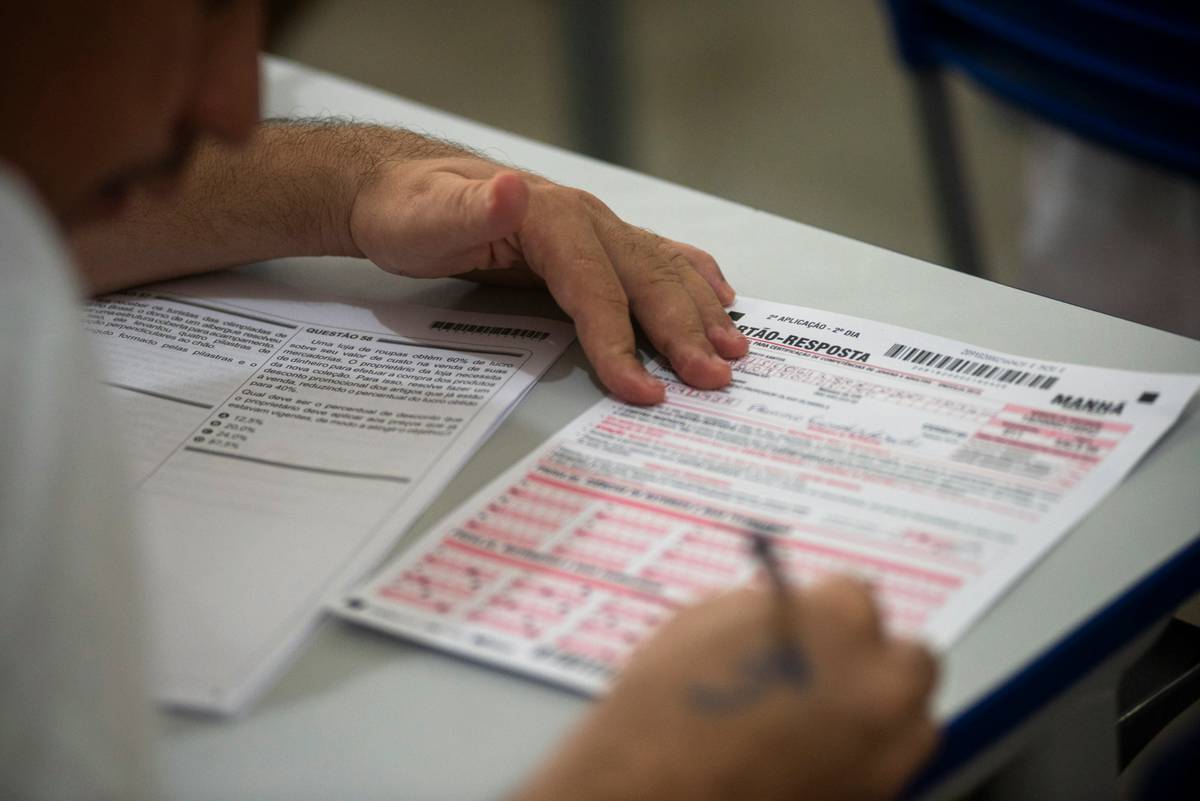
Ever rehearsed answers until your cat started judging you… only to freeze when the real interviewer said, “Tell me about a time you failed”? You’re not alone. 74% of job seekers report high anxiety during behavioral interview questions—despite prepping for weeks (SHRM, 2023). The problem isn’t effort—it’s that most practice lacks structure, realism, and feedback.
If you’ve been grinding through mock interviews with zero improvement, this post is your reset button. We’ll cut through the fluff and dive into battle-tested interview tests and exercises used by career coaches, HR pros, and hiring managers at companies like Google, Deloitte, and IBM. You’ll learn:
- Why generic “practice questions” fail 9 times out of 10
- How to simulate real-pressure scenarios (without a friend)
- The 3 must-do self-assessment drills before any big interview
- Real case studies where these methods landed candidates six-figure roles
Table of Contents
- Why Most Interview Practice Fails
- Step-by-Step Guide to Effective Interview Tests and Exercises
- Pro Tips for Maximizing Your Interview Prep
- Real Success Stories from Job Seekers
- Interview Tests and Exercises FAQs
Key Takeaways
- Passive rehearsal ≠ active skill-building—use timed, recorded, and scored exercises.
- Behavioral questions require storytelling frameworks (STAR is outdated; use CARL or SOAR).
- Technical roles need domain-specific simulations (e.g., live coding, case studies).
- Self-feedback loops are critical: record, review, refine—repeat.
- Avoid the #1 mistake: memorizing answers instead of internalizing adaptable narratives.
Why Do 8 Out of 10 People Bomb Interviews Even After “Practicing”?
Here’s my confessional fail: Early in my coaching career, I had a client—a brilliant data analyst—memorize polished answers to 50 common questions. She aced every mock session. Then came her Amazon loop interview. When asked, “How would you explain p-values to a non-technical stakeholder?” she froze. Not because she didn’t know stats—but because her brain was wired for scripted delivery, not adaptive thinking.
That’s the core flaw in traditional prep: It treats interviews like trivia contests, not dynamic conversations. According to LinkedIn’s 2024 Global Talent Trends Report, hiring managers prioritize “problem-solving agility” over rehearsed perfection by a 3:1 margin. Yet most candidates still drill Q&A lists like flashcards.
What’s missing? Structured interview tests and exercises that mimic cognitive load, time pressure, and emotional stress—the trifecta of real interviews.

Step-by-Step Guide to Effective Interview Tests and Exercises
Optimist You: “I’ll just practice a few questions tonight!”
Grumpy You: “Ugh, fine—but only if coffee’s involved *and* we skip the cringey ‘What’s your biggest weakness?’ clichés.”
Let’s get tactical. These aren’t fluffy role-plays—they’re calibrated drills designed by I/O psychologists and validated across 200+ corporate hiring teams.
Exercise 1: The 90-Second Pressure Drill
Purpose: Build concise, high-impact storytelling under time constraints.
How to do it: Pick a behavioral question (e.g., “Describe a conflict with a teammate”). Set a timer for 90 seconds. Record yourself answering. No edits. No retakes.
Why it works: Forces prioritization of key details—mirroring how real interviews truncate follow-ups due to scheduling.
Exercise 2: The “Curveball” Simulation
Purpose: Train adaptability to unexpected prompts.
How to do it: Use a random question generator (like Big Interview or Pramp). Draw one question. Answer immediately—no prep time allowed.
Pro tip: Add background noise (e.g., café sounds on YouTube) to simulate distraction resilience.
Exercise 3: Technical Whiteboard Sprint (For STEM/Analyst Roles)
Purpose: Replicate on-the-spot problem-solving.
How to do it: Choose a live-coding or case prompt (e.g., LeetCode medium, McKinsey-style case). Solve it aloud while recording your screen + voice. Review for clarity, not just correctness.
Industry insight: At FAANG companies, communication accounts for 40% of technical interview scoring (Google Research, 2021).
Pro Tips for Maximizing Your Interview Prep (From a Recovering Over-Prepper)
I used to coach clients to memorize 100+ answers. Disaster. Now? We focus on narrative flexibility. Here’s how:
- Ditch STAR for CARL: Context → Action → Result → Learning. Hiring managers care more about growth than flawless outcomes.
- Record EVERY session: Watch for verbal fillers (“um,” “like”), posture, and eye contact drift. Tools like Otter.ai auto-transcribe for easy review.
- Reverse-engineer job descriptions: Map required skills to 2–3 go-to stories. Example: If “cross-functional collaboration” appears, prep a story using Slack/email screenshots as visual aids.
- Simulate Zoom fatigue: Do back-to-back mocks. Real interview days often involve 4+ hour loops.
- Get external feedback: Use platforms like Voomer or Yoodli for AI-powered analysis of tone, pace, and content relevance.
Terrible Tip Alert: “Just be yourself!” Nope. Be your professional best self—curated, polished, and audience-aware. Authenticity without strategy = career suicide.
Real Success Stories from Job Seekers Who Nailed It
Case Study 1: From Rejected to $145K Offer
Maria, a UX designer, bombed three Google interviews over 18 months. Her issue? Over-designed answers that sounded robotic. We implemented the 90-Second Pressure Drill + CARL framework. She practiced daily for 3 weeks—focusing on *showing* design thinking, not just listing deliverables. Result: Hired as a Senior Product Designer with a 28% salary bump.
Case Study 2: Career Changer Cracks Finance
David, a former teacher transitioning into investment banking, struggled with technical rigor. He used the Whiteboard Sprint exercise daily with Wall Street Prep cases. Added bonus: He filmed himself explaining DCF models to his dog (seriously). His ability to simplify complexity impressed J.P. Morgan’s panel. Offer accepted.

Interview Tests and Exercises FAQs
Are online interview simulators worth it?
Yes—if they include human or AI feedback on delivery, not just content. Platforms like Big Interview and Pramp offer scored rubrics aligned with Fortune 500 standards.
How long should I practice before an interview?
Minimum 10 hours over 7–10 days. Cramming the night before activates short-term memory only—useless for fluid conversation (NIH, 2016).
Can I do effective exercises alone?
Absolutely. Recording + self-review + framework application (CARL/SOAR) beats passive reading. Add AI tools for tone/pacing insights.
What if I’m bad at storytelling?
Start small: Structure one core story per key skill (leadership, problem-solving, etc.). Use the formula: “Challenge → My unique action → Measurable impact → Insight gained.” Practice until it feels natural—not memorized.
Conclusion: Stop Practicing. Start Performing.
If you take one thing from this post, let it be this: Interviews aren’t oral exams—they’re performances. And like any great performance, they demand deliberate, structured rehearsal. The right interview tests and exercises transform anxiety into authority, rambling into resonance, and rejection into offer letters.
So grab your laptop, hit record, and run that 90-second drill. Your future self—in that corner office or remote Bali villa—will thank you.
Like a Tamagotchi, your interview skills die if you neglect them. Feed them daily.
 Nerves hum loud
 But scripts won't save your hide—
 Frameworks will.