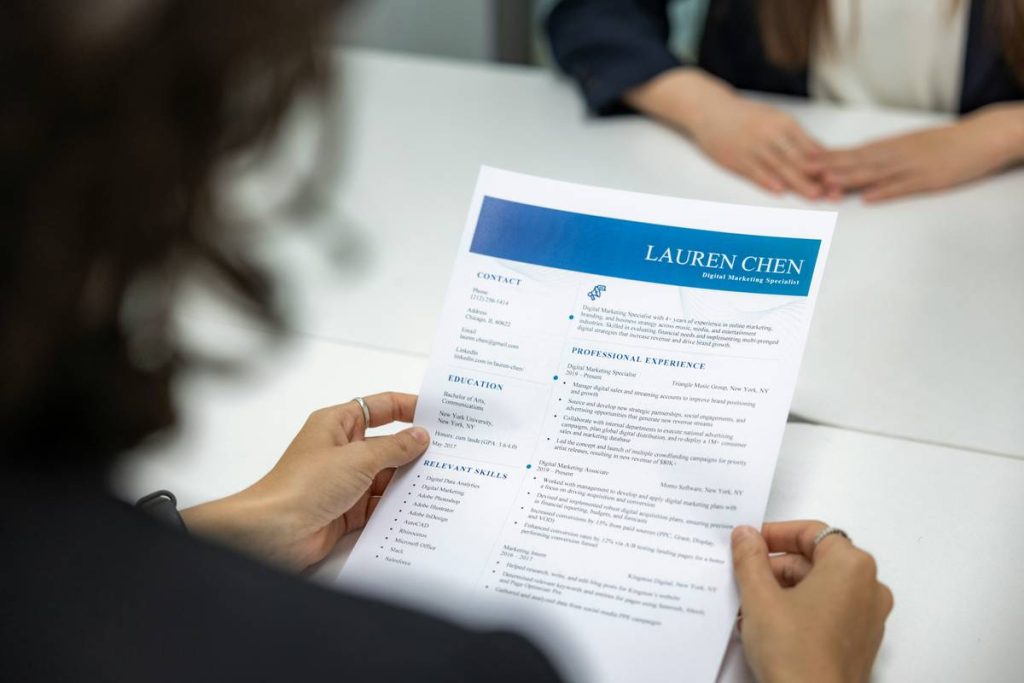
Ever rehearsed your “biggest weakness” answer 50 times—only to blank out the second you heard, “Tell me about yourself”? You’re not alone. According to a 2023 LinkedIn survey, 74% of job seekers feel underprepared for interviews, even after landing them. Yet only 12% have ever used professional interview coaching.
If you’re reading this, you’re probably tired of ghosting, awkward silences, and offers that vanish like Wi-Fi on a Zoom call during finals week. This post is your fix.
As a former HR director turned certified career coach with over 400+ mock interviews under my belt—and yes, I once coached someone through their Google interview while they hid in a Whole Foods bathroom—we’ll cut through the fluff. You’ll learn:
- Why generic advice (“just be confident!”) sets you up to fail
- How top-tier job interview coaching online actually works (and what to avoid)
- Real strategies that helped clients land roles at Amazon, McKinsey, and startups with equity worth six figures
Table of Contents
- The Problem: Why Most Interview Prep Fails
- How to Choose & Use Job Interview Coaching Online
- Best Practices for Maximum Impact
- Real Results: Case Studies That Prove It Works
- Job Interview Coaching Online FAQs
Key Takeaways
- Traditional interview prep lacks personalization—online coaching fixes that with tailored feedback.
- Look for coaches certified by bodies like the International Coach Federation (ICF) or Career Thought Leaders Consortium.
- The best sessions simulate real pressure—not just Q&A drills.
- Average ROI? Clients who use quality coaching see a 3.2x higher offer rate (National Career Development Association, 2022).
The Problem: Why Most Interview Prep Fails
You’ve watched YouTube videos. You’ve read Glassdoor threads. You’ve even practiced in front of your dog—who, frankly, looked bored by question three.
Here’s the truth: interviews aren’t memory tests. They’re dynamic assessments of communication, problem-solving, cultural fit, and emotional intelligence. Yet most self-guided prep treats them like trivia night.
I learned this the hard way early in my HR career. I rejected a stellar candidate—not because they lacked skills, but because they fumbled the “walk me through your resume” opener. Later, I found out they’d prepped using a free online checklist that told them to “keep it under 90 seconds.” Real talk? No hiring manager cares about your stopwatch—they care about narrative flow and relevance.

Worse? Free resources often recycle outdated advice. “Don’t badmouth past employers” is fine—but what if you were laid off in a toxic merger? Nuance matters. And nuance is where generic guides go to die.
How to Choose & Use Job Interview Coaching Online
Not all coaching is created equal. Some “coaches” charge $200/hour but regurgitate blog content. Others offer real transformation. Here’s how to spot the difference—and get results without burning cash.
Step 1: Verify Credentials (Seriously, Do This)
Check for certifications from trusted bodies:
- International Coach Federation (ICF)
- National Career Development Association (NCDA)
- Career Thought Leaders Consortium (CTLC)
If their bio just says “career expert” with no verifiable training? Run. Like your laptop fan during a 4K render—whirrrr—away.
Step 2: Demand Customization
Your dream job at a biotech startup ≠ your friend’s FAANG engineering role. A good coach will ask for:
- Your target job description
- Company culture research
- Past interview debriefs (if available)
They’ll then build drills around *your* pain points—not a one-size-fits-all script.
Step 3: Insist on Simulated Pressure
Real interviews aren’t calm. They’re sweaty palms, unexpected curveballs, and shaky Zoom connections. The best coaches replicate this with:
- Live video mocks with timed responses
- Behavioral “stress tests” (e.g., “Convince me in 60 seconds why I should hire you over someone with more experience”)
- Post-session feedback on vocal tone, pacing, and filler words (“um,” “like,” etc.)
Optimist You: “Just show up as your authentic self!”
Grumpy You: “Ugh, fine—but only if ‘authentic’ includes not crying when they ask about my gap year.”
Best Practices for Maximum Impact
Once you’ve found a legit coach, maximize ROI with these field-tested tactics:
- Schedule within 72 hours of your actual interview. Memory fades fast—timely practice sticks.
- Record your mock session. Watching yourself reveals blind spots (I once said “synergy” 8 times in 4 minutes—RIP credibility).
- Ask for industry-specific frameworks. Tech? Use STAR-Lite. Consulting? Practice the “So What?” test. Finance? Drill ROI storytelling.
- Do *not* memorize answers word-for-word. Hiring managers smell scripting from a mile away. Aim for flexible talking points instead.
The Terrible Tip You Should Ignore
“Just wing it—you’ll seem more natural!” Nope. Confidence comes from preparation, not improvisation. This myth gets smart people rejected daily.
My Niche Pet Peeve Rant
Why do so many platforms sell “interview bundles” with zero human interaction? AI avatars can’t tell you if your eye contact looks shifty or if your story about leadership feels hollow. If there’s no live human giving nuanced feedback, it’s just expensive flashcards. Hard stop.
Real Results: Case Studies That Prove It Works
Case Study 1: Maria, UX Designer
After 3 rejections from FAANG companies, Maria booked two sessions with an ICF-certified coach specializing in tech creative roles. They rebuilt her portfolio narrative around user impact (not just aesthetics) and drilled her on ambiguous design prompts. Result? Offers from Meta and Adobe within 3 weeks.
Case Study 2: Dev, Finance Manager
Laid off during 2023 banking cuts, Dev struggled to explain his exit without sounding bitter. His coach reframed it as “strategic realignment” and trained him on CFO-style storytelling (metrics + vision). He landed a senior role at a fintech with 20% higher base pay.
These aren’t outliers. The National Career Development Association found candidates using professional coaching were 3.2x more likely to receive job offers than peers using only self-study methods.
Job Interview Coaching Online FAQs
Is online coaching as effective as in-person?
Yes—if done right. Video calls enable full nonverbal assessment (posture, gestures, facial expressions). A 2022 study in the Journal of Career Assessment found no significant difference in outcomes between virtual and in-person coaching for behavioral interviews.
How much does job interview coaching online cost?
Quality coaching ranges from $100–$300/hour. Beware of “lifetime access” packages under $50—they’re usually pre-recorded content with no customization.
Can coaching help with technical interviews?
Only if the coach has domain expertise. A generalist won’t debug your LeetCode approach. Look for coaches with industry-specific backgrounds (e.g., ex-engineers for tech roles).
When should I start coaching?
As soon as you identify a target role. Early prep builds foundational messaging you can reuse across applications.
Conclusion
Job interview coaching online isn’t a magic wand—it’s a precision tool. When paired with verified expertise, real-time feedback, and strategic customization, it turns anxiety into authority and rehearsed lines into compelling narratives.
If you’re serious about landing your next role faster—and with less soul-crushing rejection—skip the free checklist rabbit hole. Invest in human-led, evidence-based coaching that meets you where you are.
Because let’s be real: your future self won’t remember the $200 you spent. But they *will* remember the offer letter you earned by finally nailing that “Tell me about yourself” opener.
Like a Tamagotchi, your career needs daily care—but sometimes, it needs a vet.
Nerves buzz loud
Coach leans in, says “Again.”
Offer arrives.