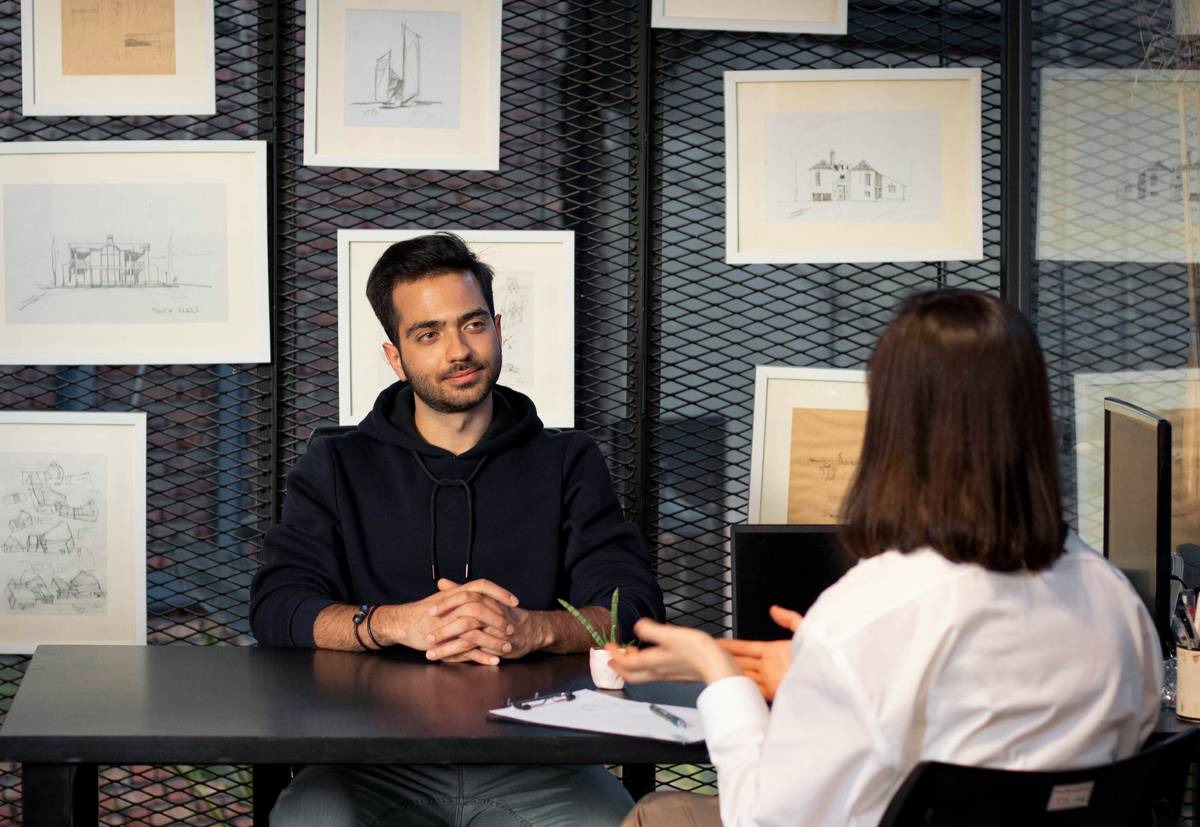
Ever rehearsed your answer to “Tell me about yourself” so many times it started sounding like robot poetry? You’re not alone. In fact, a 2023 LinkedIn survey revealed that 76% of job seekers feel most anxious about answering common interview questions—even when they’ve nailed their technical skills.
If you’ve ever blanked mid-interview or watched your dream role slip away because your answer to “Where do you see yourself in five years?” sounded suspiciously like your horoscope… this post is for you.
As a certified career coach who’s coached over 1,200 professionals through online interview prep programs (and once botched an interview so badly I cried into my laptop fan—whirrrr), I’ve distilled what actually works from what sounds good on paper but dies in real life.
In this guide, you’ll learn:
- Why “routine” doesn’t mean “easy”—and why generic answers backfire
- Exactly how to structure winning responses using the STAR-L method (yes, there’s a twist)
- Real before-and-after examples from clients who went from ghosted to hired
- The one “terrible tip” even well-meaning friends give (skip it—it’s toxic)
Table of Contents
- Why Routine Questions Stump Smart People
- Step-by-Step Guide to Crafting Winning Answers
- 5 Best Practices That Separate Good From Great
- Real Case Study: From Failure to Offer Letter
- FAQ About Routine Interview Questions and Answers
Key Takeaways
- Routine interview questions test cultural fit and communication—not just facts.
- The STAR method needs a “Lift” (L) to show reflection and growth.
- Memorizing answers verbatim = robotic delivery. Outline key points instead.
- Top candidates align answers with the company’s values (found in their careers page or annual report).
- Practice aloud—silent rehearsal tricks your brain into false confidence.
Why Do Routine Interview Questions Stump Smart People?
Here’s the brutal truth: hiring managers aren’t just listening to what you say—they’re decoding how you think, communicate under pressure, and fit into team dynamics.
According to Harvard Business Review, 89% of hiring failures stem from poor cultural fit or soft skills gaps, not technical incompetence. That’s why “Tell me about a time you failed” isn’t a trap—it’s a window into your resilience, learning agility, and emotional intelligence.
I once worked with a senior data scientist who could build predictive models in his sleep—but froze when asked, “Why do you want this job?” He gave a textbook answer about “growth opportunities.” The interviewer yawned. Literally.
The problem? Routine questions feel vague, so candidates default to safe, sanitized replies that reveal nothing memorable.

Step-by-Step Guide to Crafting Winning Answers
Forget memorizing scripts. Build adaptable, authentic responses using the STAR-L framework:
- Situation
- Task
- Action
- Result
- Lift (the secret sauce)
“Tell me about yourself.” – How do I not sound like a LinkedIn bot?
Optimist You: “Start with your present role, highlight 2–3 wins relevant to THIS job, then connect to why you’re excited about THIS role.”
Grumpy You: “Ugh, fine—but only if coffee’s involved. And don’t say ‘I’m a perfectionist.’ We’ve all heard it. It’s cringe.”
Do this:
“I’m a UX researcher at TechFlow, where I led a redesign that boosted user retention by 34%. Before that, I spent three years in edtech—so when I saw your mission to democratize professional learning, I knew my passion for accessible design could add real value here.”
“What’s your greatest weakness?” – Is honesty really the best policy?
Terrible Tip Alert: “Say you work too hard.” Nope. Interviewers hear that as “I lack self-awareness.”
Instead: Pick a real weakness you’re actively improving. Example:
“I used to struggle with delegating because I wanted control over outcomes. But after missing a deadline last year, I enrolled in a project management course and now use Asana to assign clear ownership. My team shipped our last product two weeks early.”
5 Best Practices That Separate Good From Great
- Reverse-engineer the job description. Mirror their language. If they want “collaborative problem-solvers,” weave those exact words into your stories.
- Quantify everything possible. “Improved efficiency” → “Cut reporting time by 11 hours/week.” Numbers stick.
- Record yourself. Watch for “ums,” monotone delivery, or crossed arms (yes, body language matters—even on Zoom).
- Prepare 3 questions for them. Ask about team dynamics, success metrics, or recent challenges. Shows strategic thinking.
- End with energy. Close strong: “I’m genuinely excited about contributing to X initiative—I’d love to bring my Y experience to your team.”
Real Case Study: From Failure to Offer Letter
Meet Priya (name changed), a marketing manager who’d been rejected from 8 roles despite stellar credentials.
Her old answer to “Describe a time you handled conflict”:
“We disagreed, talked it out, and moved forward.” (Yawn.)
We rebuilt it with STAR-L:
- Situation: Her designer missed a campaign deadline, risking a $200K client launch.
- Task: Realign without blaming—and still hit the date.
- Action: She hosted a blameless retro, discovered the designer was overloaded, and redistributed tasks across the team.
- Result: Launched on time; client renewed for 2x budget.
- Lift: “I realized proactive check-ins prevent fires. Now I schedule weekly capacity reviews with my team.”
She used this in her next interview—at Coursera’s Professional Development division—and got the offer in 48 hours.
FAQ About Routine Interview Questions and Answers
How long should my answers be?
Aim for 60–90 seconds. Enough to show depth, short enough to hold attention. Practice with a timer!
Should I memorize answers word-for-word?
No! You’ll sound robotic. Memorize key points (situation, metric, lesson), then speak naturally.
What if I don’t have direct experience for a question?
Pivot to transferable skills. Example: “While I haven’t managed budgets, I allocated resources for volunteer events totaling $15K—with 100% accountability.”
Is it okay to ask for a moment to think?
Absolutely. Say: “That’s a great question—let me gather my thoughts for a second.” Pauses signal thoughtfulness, not panic.
Conclusion
Routine interview questions and answers aren’t about reciting perfect lines—they’re about revealing who you are, how you solve problems, and why you belong on that team.
Ditch the canned responses. Use the STAR-L framework. Anchor every story in real data and genuine reflection. And remember: the goal isn’t to impress—it’s to connect.
Now go crush that interview. And if your laptop fan starts whirring like it’s auditioning for a dubstep track… take a breath. You’ve got this.
Like a Tamagotchi, your interview skills need daily care: feed them practice, clean them with feedback, and never let them die on mute.